NOW SEEKING ADVENTURERS, CORPORATE SPONSORS, RESEARCHERS—AND YOU!

Eran
I was featured on the journal cover page of "Animal Conservation in 2024!!!
Read the full paper to read about us: https://zslpublications.onlinelibrary.wiley.com/doi/abs/10.1111/acv.12982
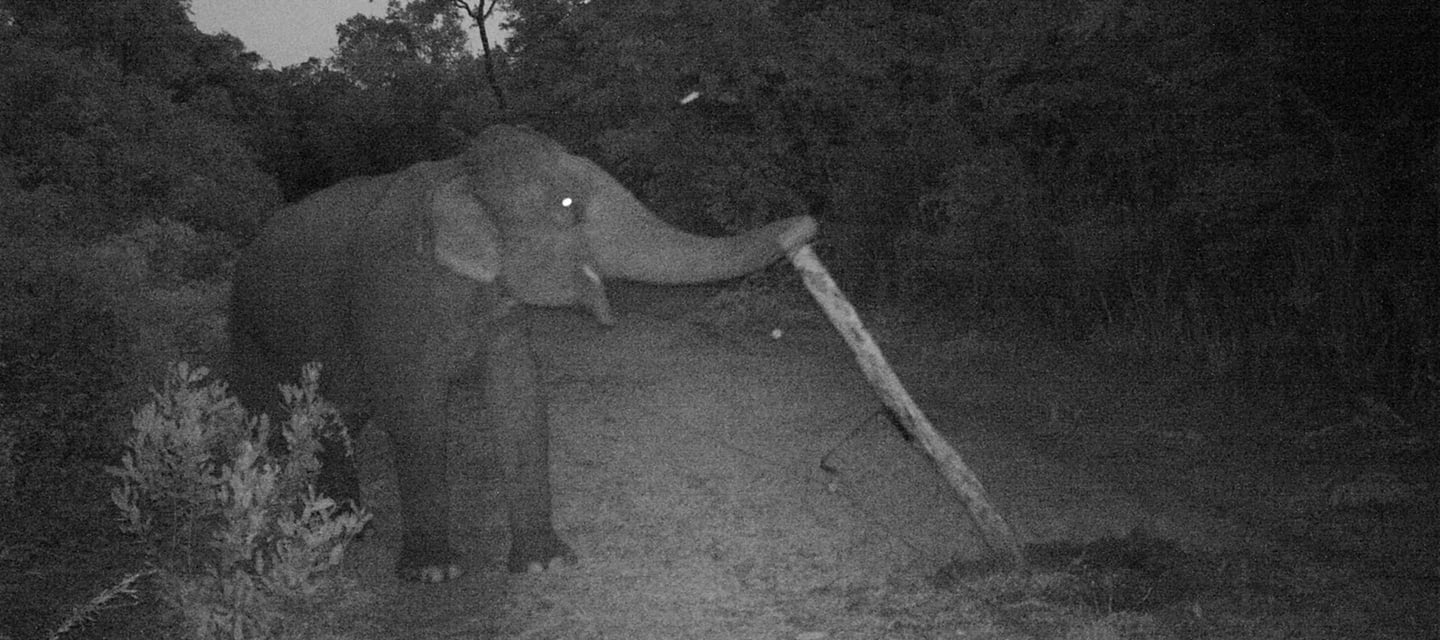
Ranjeewa, A. D. G., Thomas, R. J., Weerakoon, D. K., Sandanayake, G. H. N. A., & Fernando, P. (2025). How did the elephant cross the fence? Electric fence crossing by elephants in Udawalawe, Sri Lanka. Animal Conservation, 28(2), 197-207.
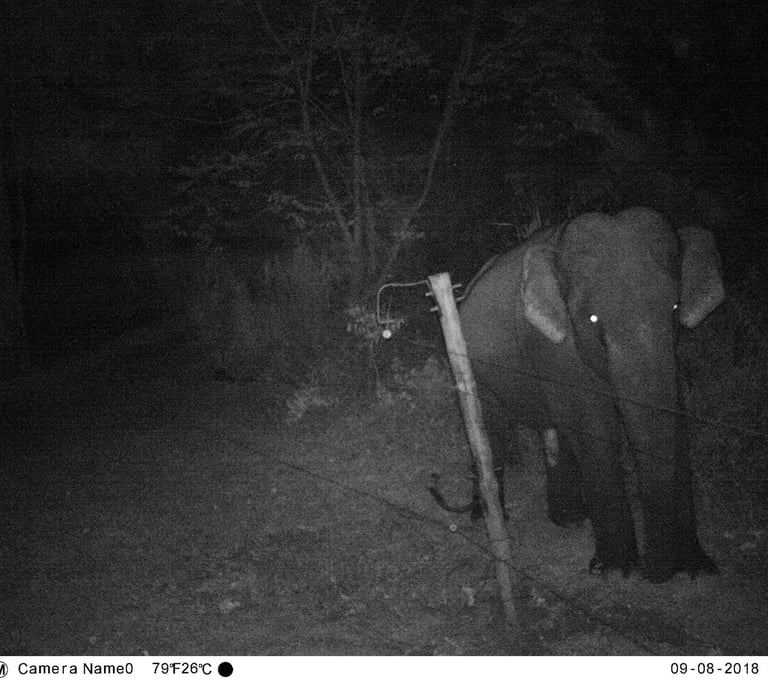
I am a young male elephant, about 15-20 years old. This is the age when I must leave the comfort of my childhood home and find a place of my own. The forests where I grew up are already occupied by older, stronger bulls. That is the natural way of our world—so I must explore, take risks, and search for new land if I am to survive.
But every direction I turn, I find fences. Human-made lines cutting through the last pieces of forest we have left. I do not understand why these barriers divide our remaining habitats when we are already struggling. You may not see it, but life for a young male elephant is full of stress and uncertainty. We walk long distances, face other bulls, search for food and water, and try to avoid danger—all while navigating a maze of fences that should never have been built where they are.
We don’t need every forest to be perfect.
We just need enough space to live...
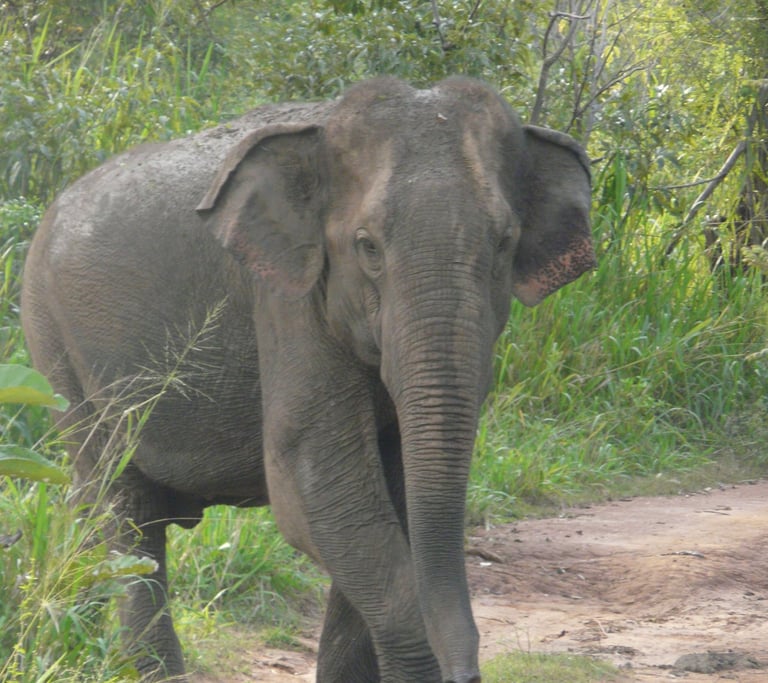
The solution is simple: move the fences from administrative boundaries to ecological ones—places that make sense for both elephants and people. Connect the remaining forests through wildlife corridors so young elephants like me can disperse safely. And reclaim or lease the lands that have been encroached upon, so they can become habitats again instead of dead ends.
Every bit of forest matters now.
Every decision you make shapes whether elephants like me have a future.
If you believe we deserve a chance to survive, to grow, and to find a home of our own—stand with us. Support us. Help us keep our ancient paths alive.
—Eran